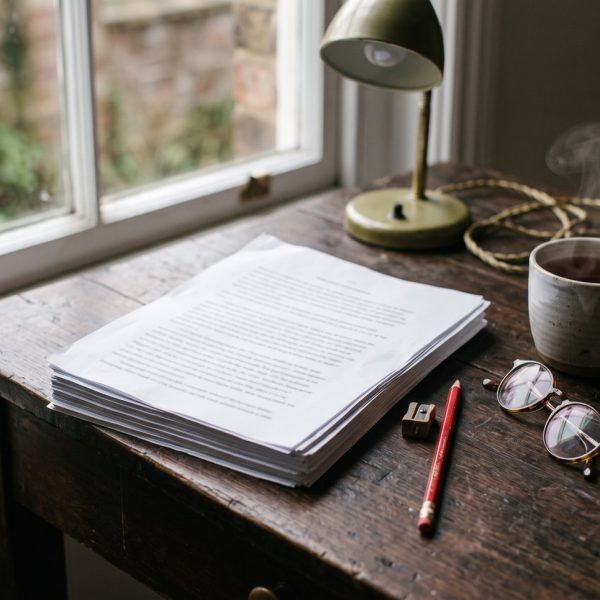
Almost everyone has sent an email with a glaring typo, or opened a brochure and winced at a misplaced apostrophe. Those small slips cost more than embarrassment: they weaken trust in the writer and, for businesses, in the brand. So what is proofreading, and why do professionals insist on it even when spellcheck seems to catch everything? In short, proofreading is the final careful read of a text before it is published, designed to catch the errors that earlier stages missed.
What is proofreading, exactly?
The proofreading meaning is narrower than many people think. A proofreader checks spelling, grammar, punctuation, formatting and consistency in a document that is already written and edited. They do not rewrite your argument or restructure your chapters. Their job is to polish the surface so that nothing distracts the reader from the message. The term comes from the print trade, where a proof was a trial copy of typeset pages, and the proofreader compared it against the manuscript. If you enjoy the history, the entry on proofreading traces how the craft developed from printing houses to digital documents.
Today the process usually happens on screen, with tracked changes or comments, but the principle has not changed. A fresh pair of eyes reads slowly, line by line, and flags anything that looks wrong, inconsistent or ambiguous.
Proofreading versus editing
These two services are often confused, and the confusion leads to disappointed clients. Editing works on the substance: clarity, structure, tone, flow and sometimes the facts. Proofreading comes afterwards and deals with the finishing touches. If you hand a rough draft to a proofreader, you will get a tidier rough draft, not a better argument. For a clear explanation of the boundary, the article on copy editing versus proofreading sets out what each stage should include and when to hire for it.
In practice the stages overlap a little, especially in small projects. A good proofreader will mention a sentence that makes no sense, even if rewriting it is outside the brief. What they should not do is change your voice or style without asking.
What a proofreader actually checks
The list is longer than most clients expect. Beyond typos and grammar, a thorough check covers punctuation style, such as consistent use of single or double quotation marks, and spelling conventions, whether British or American. It looks at capitalisation, hyphenation, number formats, dates and abbreviations. It compares headings against the contents page, checks that cross-references point to the right place and makes sure that fonts, spacing and bullet styles match throughout.
Names and figures get special attention. A misspelt surname in a client proposal or a transposed digit in a price table can do real harm, and these are exactly the errors that a tired author skims past. Proofreaders read for what is on the page, not for what they expect to see.
Why spellcheck is not enough
Automated tools are useful, but they miss a surprising amount. A spellchecker will accept "form" where you meant "from", or "their" where you meant "there", because both are valid words. It cannot tell whether a sentence is ambiguous or whether the tone suits your reader. It also struggles with proper nouns, specialist terms and mixed languages, which is a particular problem for translated material. Writers who rely on software alone often discover the gaps only after a customer points them out.
Reading your own work is equally unreliable. The brain fills in missing words and corrects mistakes automatically, because it knows what you meant to write. That is why even experienced authors benefit from an independent check. Practical advice helps: leave the text for a day, print it, or read it aloud. None of these replaces a trained professional, but they catch more than a single quick scroll.
When you should hire a proofreader
Consider outside help for anything with legal, financial or reputational weight: websites, annual reports, tender documents, marketing campaigns, theses and books. Students preparing a dissertation, researchers submitting a journal article and companies publishing translated documents all gain from a final review. For academic work in particular, see this guide to proofreading academic papers before submission, which lists the checks that matter most to examiners and reviewers.
Look for evidence of training and experience. In the United Kingdom, the Chartered Institute of Editing and Proofreading publishes standards and a directory of members, which is a sensible place to start. Ask for a short sample edit, agree the style guide, and confirm the turnaround and fee in advance. Rates vary by word count, complexity and urgency, so request a quote based on the actual document.
Getting the most from the process
You can help your proofreader in simple ways. Supply the final version, not a half-finished draft, and tell them which spelling variety and style guide to follow. Provide a list of names, brands and technical terms, plus any house rules about capitalisation or formatting. Respond to queries promptly, because many of them depend on information only you have.
Afterwards, review the changes with care. Accept those that fix clear errors and think twice before rejecting anything that improves consistency. If you disagree with a suggestion, ask why. A good proofreader will welcome the question and explain the reasoning.
The bottom line
Proofreading is a modest-sounding job with an outsized effect on how people see your writing. It does not replace good drafting or careful editing, but it protects them. Knowing what is proofreading, what it covers and when to invest in it lets you spend your budget wisely and publish with confidence. A clean page tells readers that you care about getting the details right.